

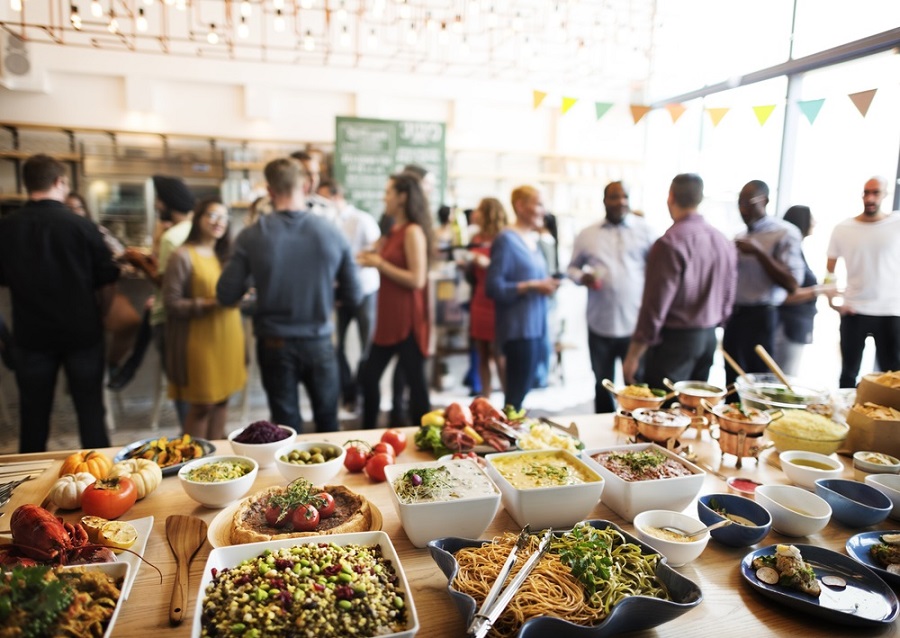
Corporate events are no longer just dates on a calendar meant for dry presentations and standard networking. In today’s highly competitive business landscape, every corporate gathering—whether a high-stakes shareholder meeting, a product launch, or an annual gala—serves as a physical manifestation of a company’s brand identity. While marketing teams spend months perfecting digital assets, signage, and keynote presentations, one of the most powerful brand touchpoints is frequently underestimated: the catering.
Food and beverage service is not merely a logistical necessity designed to keep attendees energized. Instead, it is a sensory extension of a company’s values, culture, and attention to detail. When executed strategically, catering shapes the overall narrative of an event, driving deep engagement and leaving a lasting positive impression on clients, partners, and employees.
The Psychology of Sensory Branding in Corporate Spaces
Sensory branding relies on the idea that human beings form deeper, more memorable connections with brands when multiple senses are engaged. Traditional corporate marketing heavily favors visual and auditory stimuli through logos, videos, and music. Catering introduces the powerful senses of taste and smell into the equation, which are directly linked to the limbic system—the part of the brain responsible for emotion and memory.
When a corporate event provides an exceptional culinary experience, the positive emotions triggered by the food become subconsciously associated with the host company. A poorly catered event, characterized by cold coffee, stale pastries, or uninspired box lunches, creates a negative sensory association. Attendees may leave feeling undervalued, translating that lack of care onto the brand itself. Conversely, a thoughtful, high-quality menu signals that the company values excellence, refinement, and hospitality.
Aligning the Menu with Corporate Core Values
A cohesive brand impression requires alignment across every single element of an event. The food served should tell the same story as the company’s mission statement. When corporate values and culinary execution align, the brand narrative feels authentic and well-rounded.
Sustainability and Environmental Responsibility
If a corporation prides itself on green initiatives, eco-friendly policies, and carbon neutrality, the catering must reflect this commitment. Serving factory-farmed meats on disposable plastic plates completely undermines a sustainability narrative. To reinforce a green brand image, catering should feature:
-
Locally sourced, organic, and seasonal ingredients that reduce carbon footprints.
-
Zero-waste initiatives, such as reusable dinnerware, compostable packaging, and leftover donation programs.
-
Plant-forward menus that highlight creative vegetarian and vegan options.
Innovation and Cutting-Edge Technology
Tech companies and forward-thinking startups often want to project an image of disruption, modernization, and creativity. Standard buffet lines fail to communicate this energy. Innovative brands benefit from catering that utilizes:
-
Molecular gastronomy, custom food science displays, or interactive food stations.
-
High-tech presentation styles, such as automated beverage dispensers or visually striking, geometric food designs.
-
Fusion cuisine that combines unexpected flavor profiles, signaling a willingness to experiment and lead.
Heritage, Tradition, and Stability
For established financial institutions, law firms, or legacy corporations, the goal is often to project reliability, prestige, and institutional strength. The culinary choices should mirror this sense of permanence and high quality through:
-
Classic, multi-course plated dinners featuring expertly prepared, premium ingredients like prime cuts or specialized seafood.
-
Traditional presentation styles with formal white-glove service, fine china, and elegant glassware.
-
Time-tested flavor profiles executed with flawless precision, emphasizing mastery over novelty.
Fostering Networking and Connection Through Culinary Formats
The structural format of how food is served dictates the social dynamics and flow of a corporate event. By selecting the right catering style, a company can curate the exact type of networking environment that supports its strategic goals.
The Power of Interactive Stations
Interactive food stations, such as live-carving blocks, custom sushi-rolling bars, or artisanal pizza ovens, break down professional barriers. They provide a natural conversational icebreaker for attendees standing in line or watching the chefs work. This format shifts the energy of an event from passive listening to active engagement, making the host brand appear dynamic, approachable, and community-oriented.
Cocktail Receptions and Passed Hors d’oeuvres
When the primary objective of a corporate event is high-volume networking, a formal sit-down dinner can be counterproductive, as it confines guests to a single table for hours. A cocktail-style setup with strategically passed small bites keeps guests moving throughout the space. This fluidity maximizes the number of professional connections made, associating the host brand with vibrant, high-energy networking opportunities.
Elevated Plated Dinners for High-Value Intimacy
For VIP client appreciation, executive retreats, or closing dinners, exclusivity is the priority. A beautifully synchronized, multi-course plated meal demands that guests slow down, focus on their immediate companions, and engage in deeper, more meaningful conversations. This format communicates that the host brand values deep-seated relationships over transactional interactions.
Inclusivity as a Reflection of Modern Corporate Culture
Modern corporate spaces place a heavy emphasis on diversity, equity, and inclusion. This cultural shift must extend to the dining table. Dietary restrictions, cultural preferences, and religious requirements are no longer niche anomalies; they are standard considerations for any diverse guest list.
When a corporate host proactively plans a menu that accommodates gluten-free, dairy-free, kosher, halal, vegan, and nut-free diets without making those guests feel like an afterthought, it sends a powerful message. It demonstrates that the brand is empathetic, detail-oriented, and genuinely cares about the well-being of every single attendee.
Conversely, forcing a guest with dietary restrictions to hunt down a manager or settle for a bland side salad while others enjoy a gourmet meal creates a feeling of exclusion. That individual will likely remember the logistical failure far longer than any keynote speech, damaging their long-term perception of the company.
Executing Flawless Logistics to Mirror Operational Excellence
The operational execution of catering reflects directly on a company’s internal business standards. Catering mishaps, such as long lines, empty platters, or slow service, are immediately interpreted as a reflection of the host company’s organizational capabilities.
A seamless dining experience, where courses arrive exactly on time, staff members are polite and attentive, and the bars remain well-stocked, implies that the host company operates with the same level of precision in its daily business dealings. Working with premium catering partners who understand crowd flow, venue layout, and timing guarantees that the event runs like a well-oiled machine, reinforcing a brand image of total competence and reliability.
Frequently Asked Questions
How can a company measure the return on investment of premium event catering?
While it is difficult to assign a direct dollar amount to catering, companies can measure its impact through post-event surveys, attendee retention rates for future events, social media mentions, and qualitative feedback from client account managers. High-quality catering consistently correlates with longer attendee stay times and higher overall event satisfaction scores.
What are the risks of using hyper-trendy food concepts at a corporate event?
Hyper-trendy food concepts can sometimes alienate more conservative attendees or date an event quickly. Additionally, trendy foods occasionally prioritize aesthetics over taste or ease of consumption. If a company chooses to incorporate a trend, it should always be balanced with familiar, universally appealing options to ensure all guests are comfortable.
How can corporate branding be subtly integrated into food presentation without looking tacky?
Avoid overly literal branding, such as printing large logos on sheet cakes or using unnatural food coloring to match a corporate palette. Instead, focus on subtle integrations: custom-stamped cocktail ice, branded napkins, menu descriptions that play on industry terms, or choosing a color scheme for floral and buffet accents that complements the corporate identity.
What is the most effective way to handle alcohol service to protect brand reputation?
To maintain a professional atmosphere, implement controlled beverage structures. This includes offering curated wine and beer pairings rather than an unrestricted open bar, limiting the hours of alcohol service, creating sophisticated non-alcoholic mocktail options, and ensures that professional bartenders are trained to monitor consumption levels strictly.
How early should corporate event planners involve a caterer in the planning process?
Caterers should ideally be brought in during the early stages of venue selection, typically four to six months before the event. Because catering logistics depend heavily on venue infrastructure, such as kitchen access and electrical capabilities, involving the culinary team early prevents costly logistical changes later on.
How does the choice between morning and evening catering impact the brand tone?
Morning catering, such as breakfast or brunch, naturally sets a tone of productivity, focus, and education, making it ideal for workshops and strategic planning. Evening catering shifts the brand tone toward celebration, reward, and relationship-building, allowing for a more relaxed and emotionally resonant connection with the audience.