

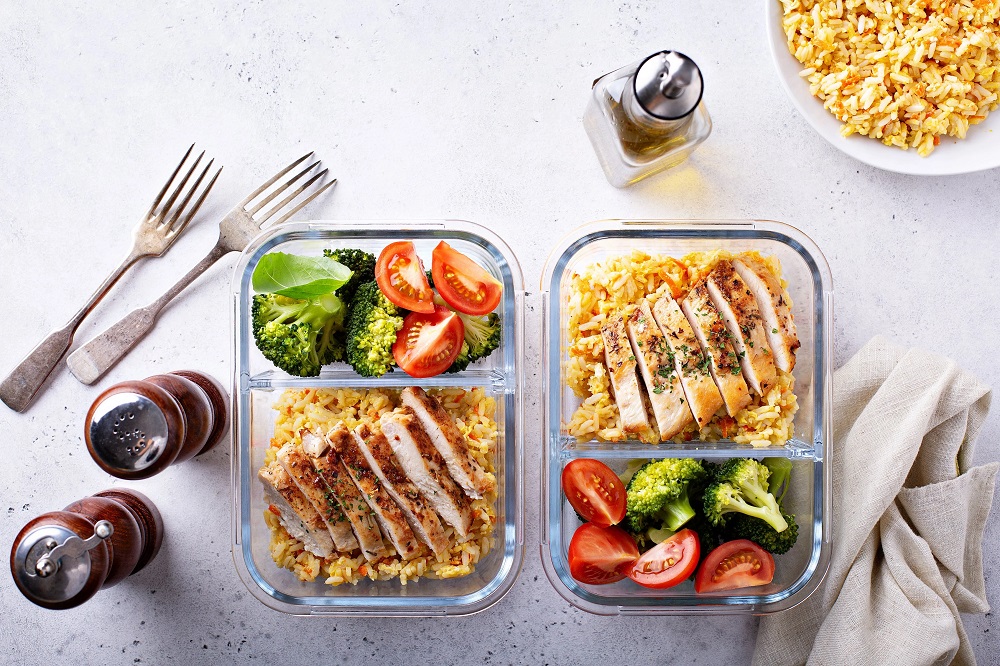
For many home cooks, the kitchen represents a space of spontaneous creativity where meals are thrown together based entirely on intuition and whatever ingredients happen to be in the refrigerator. While improvisational cooking has its place, particularly for seasoned chefs, it often introduces a high level of unpredictability and stress into the daily routine of meal preparation. For the vast majority of people, cooking without a guide leads to inconsistent flavors, unexpected texture failures, and avoidable food waste.
Following a well-formulated recipe is not a limitation on culinary creativity; rather, it is the foundation upon which great cooking skills are built. Recipes act as a reliable roadmap, providing the necessary structural parameters, chemical balances, and historical culinary wisdom required to produce excellent meals consistently. Whether you are an absolute novice or a confident home cook, incorporating structured recipes into your meal preparation process offers significant psychological, financial, and practical benefits.
Precision and Consistency in Flavor and Texture
The most immediate benefit of adhering to a written recipe is the guarantee of a predictable outcome. Cooking is fundamentally an exercise in chemistry and physics, where heat, fats, acids, and proteins interact in highly specific ways.
Balancing the Chemical Foundations
In many styles of cooking, particularly baking, braising, and sauce making, the ratios of ingredients are critical. For example, a slight overestimation of baking soda can ruin a batch of muffins by introducing a bitter, metallic taste and an uneven crumb structure. Similarly, adding too much liquid to a stew can dilute the flavor compounds and prevent the sauce from thickening properly. A recipe eliminates this guesswork by providing precise measurements that have been tested and refined to ensure optimal results every single time.
Achieving Perfect Textures
Recipes do not just tell you what ingredients to use; they specify the exact cutting sizes and cooking techniques required. If a recipe instructs you to dice potatoes into half-inch cubes, it is ensuring that the vegetables cook evenly throughout. When you wing it and chop ingredients into random sizes, some pieces will end up raw and crunchy while others dissolve into mush. Following structured instructions ensures that every element of your dish reaches the ideal texture simultaneously.
Mitigating Financial Waste and Optimizing Grocery Budgets
Food waste is a major economic drain on modern households. Buying ingredients without a clear plan frequently results in forgotten produce rotting in the crisper drawer and half-used jars of specialty sauces expiring in the back of the pantry.
Targeted Grocery Shopping
When you utilize recipes for weekly meal preparation, your grocery list changes from a collection of vague impulses to an exact inventory of necessities. You buy precisely two stalks of celery and one specific cut of meat rather than guessing quantities. This targeted approach prevents over-purchasing, which directly lowers your weekly grocery bill and keeps your refrigerator clean and organized.
Efficient Resource Allocation
Many professional recipes are designed to use ingredients efficiently. If you select a group of recipes for the week that share overlapping ingredients, such as fresh cilantro or heavy cream, you can guarantee that the entire package is consumed before it spoils. This structured workflow maximizes the financial return on every dollar spent at the supermarket.
Cognitive Relief and Stress Reduction in the Kitchen
After a long day of professional and personal responsibilities, decision fatigue is a common psychological burden. Figuring out what to cook from scratch can turn what should be a relaxing evening activity into a source of anxiety.
Eliminating Decision Fatigue
A recipe removes the burden of continuous decision-making. You do not have to stand in front of an open pantry wondering what flavors pair well together or guessing how long a chicken breast needs to sear. The critical decisions have already been made for you by the creator of the recipe. All that is required of you is execution, which allows you to treat cooking as a mindful, therapeutic activity rather than a stressful puzzle.
Seamless Multi-Tasking
High-quality recipes outline a chronological workflow. They tell you when to preheat the oven, when to chop the vegetables, and when to start the sauce. This systematic timing prevents the common kitchen panic where one component of your meal is getting cold on the counter while another component still needs twenty minutes on the stove. By following the designated steps, your entire meal comes together in a harmonized, predictable sequence.
Building a Strong Foundation for Culinary Literacy
There is a common misconception that following a recipe hinders your ability to learn how to cook independently. In reality, the exact opposite is true. Recipes are educational tools that teach you the core mechanics of cooking.
Understanding Flavor Profiles and Pairings
By repeatedly following recipes from diverse cultures and culinary traditions, you begin to recognize recurring patterns. You learn how soy sauce, ginger, and garlic form a classic base in East Asian cooking, or how onions, carrots, and celery create the essential aromatic foundation for French soups. Over time, these observations become second nature, expanding your internal palate and teaching you how to balance salt, fat, acid, and heat effectively.
Mastering Classical Techniques
Recipes expose you to techniques you might never attempt on your own, such as tempering eggs, deglazing pans, emulsifying dressings, or reducing sauces. As you successfully execute these techniques under the guidance of a written recipe, you build muscle memory and technical confidence. Eventually, this accumulated knowledge provides you with the skills necessary to improvise safely and successfully in the future.
Nutritional Tracking and Dietary Management
Managing health goals, whether it involves calorie restriction, macronutrient balancing, or managing a medical condition like hypertension, is nearly impossible without structure.
Accurate Caloric and Macronutrient Awareness
Modern recipes almost universally include detailed nutritional breakdowns per serving. If you are tracking your intake of protein, carbohydrates, or fats, following a recipe allows you to log your meals with total accuracy. When you cook without measurements, it is incredibly easy to underestimate the amount of cooking oil or butter you added, leading to an accidental consumption of hundreds of extra hidden calories.
Controlling Specific Ingredients
For individuals tracking sodium, sugar, or saturated fats, recipes provide a clear framework for modification. You can look at the recommended amount of salt in a recipe and intentionally reduce it by half, knowing exactly how that adjustment fits into your daily dietary boundaries while still maintaining the structural integrity of the overall meal.
Frequently Asked Questions
Does following a recipe mean I cannot make any creative changes to the food?
Not at all. A recipe should be viewed as a reliable baseline rather than a rigid set of laws. Once you understand the core structure of a recipe, you can easily swap out specific ingredients to suit your taste preferences, such as replacing spinach with kale, using a different protein, or adjusting the level of spice, while still benefiting from the provided cooking times and techniques.
Why do some recipes use weight measurements instead of volume measurements?
Weight measurements, such as grams or ounces, are far more accurate than volume measurements like cups and tablespoons. This is particularly true for dry ingredients like flour, which can pack down tightly or remain loose depending on how it is scooped. Using a digital kitchen scale ensures absolute precision, which is vital for baking and high-end pastry work.
How can I tell if an online recipe is reliable before I waste ingredients on it?
Look for recipes that include detailed descriptions of visual cues, such as cook until the onions are translucent or simmer until the sauce coats the back of a spoon, rather than just relying on strict time limits. Additionally, reputable culinary websites that thoroughly test their recipes in dedicated test kitchens are generally more reliable than unverified social media videos.
What should I do if a recipe calls for an expensive tool that I do not own?
Most kitchen tools have accessible alternatives. If a recipe calls for a food processor, you can often use a sharp knife and a grater with a bit more physical effort. If it requires a cast-iron skillet, a heavy-bottomed stainless steel pan can usually achieve a similar result. Reading through the recipe fully beforehand allows you to plan these equipment substitutions.
How does reading a recipe in advance prevent cooking mistakes?
Reading the entire recipe through at least twice before cooking prevents you from encountering surprise instructions halfway through the process. For example, you avoid discovering too late that an ingredient needed to marinate overnight, that a meat selection required hours of slow braising, or that a component needed to be cooled to room temperature before the next step.
Can following recipes help me if I am trying to transition to a plant-based diet?
Yes, using recipes is one of the most effective ways to transition to a new dietary style. Cooking plant-based meals requires learning how to build deep, savory flavors without relying on animal fats. Recipes introduce you to unique ingredients like nutritional yeast, miso paste, and dried mushrooms, ensuring your new meals are deeply satisfying and nutritionally balanced.