

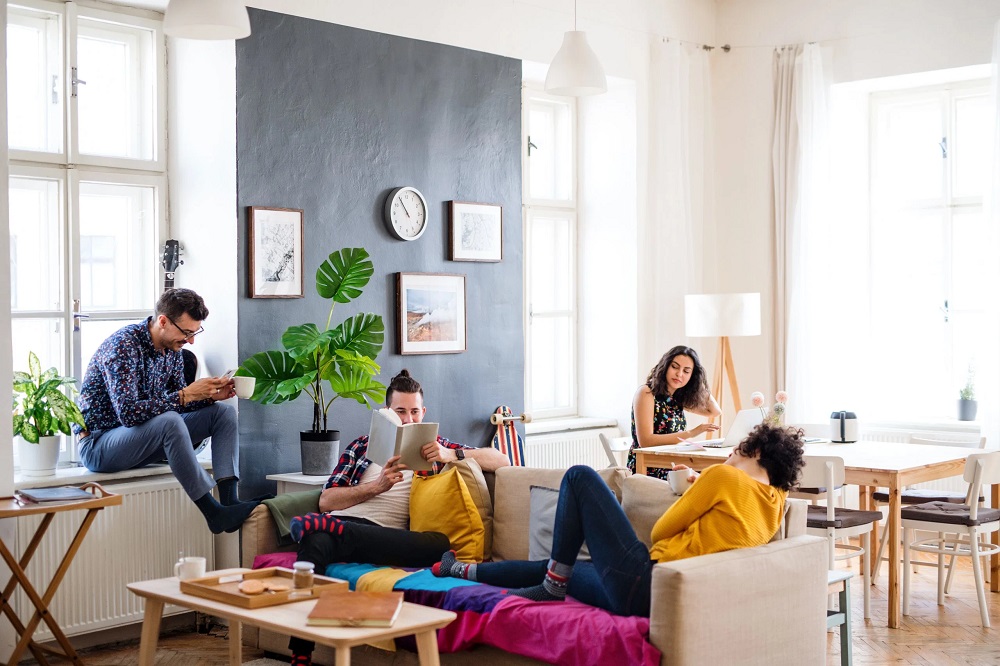
A home is far more than just a physical shelter or a collection of beautifully decorated rooms. It is the backdrop of our daily lives, a sanctuary for relaxation, and increasingly, a space for professional productivity. The design of a living environment has a profound psychological and physiological impact on its inhabitants. A chaotic, poorly organized home can elevate chronic stress levels, whereas a thoughtful, harmonious environment fosters a deep sense of well-being, clarity, and ease.
Creating an ideal home environment requires balancing two fundamental pillars: comfort and functionality. Comfort addresses our sensory and emotional needs, making a space feel inviting, warm, and restorative. Functionality ensures that the physical layout, storage systems, and furniture accommodate our daily habits, streamlining routines rather than creating friction. Striking this balance turns any living space into a highly supportive environment tailored to your lifestyle.
Evaluating Layout and Spatial Flow
The foundation of a functional home begins with spatial flow, often referred to as the traffic patterns of a house. Before choosing paint colors or furniture fabrics, it is essential to map out how people physically move through each room. A beautiful room loses its value if you constantly bump into furniture legs or struggle to open doors fully.
Establish Clear Pathways
Every room should have intuitive entry and exit points with clear paths that allow residents to walk without obstruction. In high-traffic zones like the entryway, hallway, and kitchen, pathways should be wide enough for two people to pass comfortably. Avoid placing bulky furniture pieces near doorways or in the direct line of foot traffic.
Honor the Zone System
Modern homes frequently utilize open floor plans, which offer a great sense of spaciousness but can easily feel disorganized if not handled correctly. To maintain functionality, divide open areas into distinct functional zones using visual cues.
-
Use area rugs to anchor a living room conversation area or define a dining space.
-
Position the backs of sofas or low bookshelves to act as subtle partitions between a workspace and a relaxation area.
-
Group task-specific lighting, like a floor lamp over a reading chair, to naturally signal the purpose of that specific corner.
Ergonomics and Strategic Furniture Selection
Furniture forms the physical interface of your home. Selecting pieces based entirely on visual appeal without considering ergonomics is a common mistake that leads to physical discomfort and wasted square footage.
Prioritize Human-Centric Proportions
Ergonomic furniture supports the natural posture of the human body, reducing physical strain during periods of rest or productivity. When selecting seating, pay attention to seat depth, lumbar support, and cushion density. For home offices, an adjustable chair and a desk set at the correct elbow height are non-negotiable for preventing repetitive strain injuries and chronic back pain.
Embrace Multi-Functional Design
In smaller homes or apartments, functionality relies heavily on pieces that serve more than one purpose. Look for furniture that maximizes utility without adding physical bulk:
-
Storage ottomans that provide seating while hiding blankets or board games.
-
Coffee tables with lift-top mechanisms that transform a living space into a temporary workspace or dining area.
-
Beds featuring built-in under-mattress drawers to optimize vertical storage in compact bedrooms.
The Sensory Elements of Comfort: Lighting and Acoustics
True residential comfort goes far beyond what is visible to the eye. It encompasses the invisible sensory attributes of a space, specifically how it sounds and how it is lit.
Implement Layered Lighting Strategies
A single, harsh overhead light fixture in the center of a room creates cold shadows and causes eye strain. To create a warm and functional atmosphere, interior designers utilize three distinct layers of lighting:
-
Ambient Lighting: This is the general, foundational illumination of a room, typically achieved through recessed ceiling lights, large windows, or flush-mount fixtures.
-
Task Lighting: Focused, bright illumination designed for specific activities, such as under-cabinet LED strips in the kitchen, adjustable reading lamps next to a bed, or a dedicated desk lamp for remote work.
-
Accent Lighting: Sconces, picture lights, or dimmable track lighting used to highlight architectural features, artwork, or plants, adding depth and visual warmth to the environment.
Manage Acoustics for Mental Peace
Hard surfaces like hardwood floors, quartz countertops, and bare walls reflect sound waves, creating an echo chamber that amplifies noise and induces mental fatigue. To cultivate a quiet, comforting home, integrate acoustic dampening elements. Soft textiles like plush area rugs, heavy linen window curtains, upholstered furniture, and canvas artwork naturally absorb sound, lowering ambient noise levels and creating a peaceful indoor climate.
Organizational Systems and Clutter Mitigation
Clutter is the primary enemy of home functionality. When physical items accumulate without a designated home, they create visual noise that triggers cognitive overwhelm and slows down daily routines.
Create an Intuitive Point-of-Entry System
The entryway sets the tone for the entire house. Without a dedicated system, this area quickly becomes a dumping ground for shoes, bags, mail, and keys. Establish a highly functional drop zone near the front door equipped with hooks for coats, a small tray for keys, a recycling bin for immediate mail sorting, and a shoe rack to keep dirt from entering the main living areas.
Utilize Smart Vertical Storage
When floor space is limited, look upward. Vertical storage shifts the burden away from valuable walking areas while drawing the eye upward, making rooms feel taller. Install floating shelves, floor-to-ceiling cabinetry, or over-the-door organizers. Store frequently used items at eye level or below, reserving the highest shelves for seasonal objects or sentimental belongings that are rarely accessed.
Optimizing Indoor Air Quality and Thermal Comfort
A home cannot be truly comfortable if it feels stuffy, damp, drafty, or consistently too hot or cold. Investing in environmental controls directly affects sleep quality, respiratory health, and overall daily vitality.
Enhance Ventilation and Air Purification
Indoor air can trap pollutants, allergens, pet dander, and cooking odors. To keep the air fresh, crack windows open daily to facilitate cross-ventilation. Additionally, utilize high-efficiency particulate air filters, commonly known as HEPA filters, in primary spaces like bedrooms and living areas to continuously scrub the air of microscopic irritants. Integrating resilient indoor plants, such as snake plants or peace lilies, can also subtly boost humidity levels and add organic life to the space.
Maintain Consistent Thermal Control
Thermal comfort is highly subjective, but a well-insulated home minimizes temperature fluctuations that disrupt daily comfort. Utilize programmable or smart thermostats to automatically adjust temperatures based on whether you are sleeping, working, or away from the property. Use cellular shades or thermal curtains to block out intense afternoon solar heat during summer months and retain internal warmth during the winter.
Frequently Asked Questions
What is the ideal humidity level for a comfortable home environment?
The optimal relative humidity level for a healthy and comfortable indoor environment sits between thirty and fifty percent. Humidity levels that drop below thirty percent can cause dry skin, irritated sinuses, and static electricity, while levels rising above fifty percent encourage the growth of mold, mildew, and dust mites.
How can I make a dark room with minimal natural light feel brighter and more inviting?
To brighten a dark space, avoid painting the walls stark white, as this can make the room look cold and gray in the absence of light. Instead, opt for soft, warm-toned neutrals like cream, ivory, or pale taupe. Additionally, place large mirrors directly opposite or adjacent to windows to maximize the reflection of available daylight, and ensure you use a multi-layered lighting strategy with warm-white LED bulbs.
How do I choose the correct size rug for a functional living room layout?
A common mistake is buying an area rug that is too small, which makes the entire room feel unanchored and fragmented. For a functional living room, the rug should be large enough so that at least the front legs of all major seating pieces, such as the sofa and accent chairs, rest securely on top of it. This visually binds the furniture together and defines the boundaries of the conversation zone.
What is the kitchen work triangle and why is it important for functionality?
The kitchen work triangle is a classic architectural design principle that connects the three main work areas in a kitchen: the sink, the refrigerator, and the stove. For maximum operational efficiency, the paths between these three points should form a clear triangle with no obstructions. Keeping this distance balanced reduces unnecessary movement and streamlines meal preparation.
How does color psychology affect the comfort level of different rooms?
Colors have a direct impact on mood and energy levels. Cool tones like soft blues, greens, and muted grays evoke feelings of calmness, serenity, and rest, making them perfect choices for bedrooms and bathrooms. Warm neutrals and earthy tones like terracotta, soft beige, and warm wood accents stimulate conversation and comfort, making them highly suited for living rooms and dining spaces.
What are some low-cost ways to improve home organization without buying expensive systems?
You can significantly improve organization by repurposing items you already own. Use sturdy shoe boxes as drawer dividers to organize socks or t-shirts, utilize glass mason jars to hold utensils or office supplies, and regularly declutter by donating items you have not used within the past year. Clear surfaces are free, and reducing bulk is the cheapest organizational upgrade available.
How can I design a dual-purpose room, like a guest room that also functions as a home office?
The key to a successful dual-purpose room is utilizing adaptable furniture and keeping the two functions distinct. Consider replacing a standard bed with a high-quality murphy bed or a sleeper sofa that can be tucked away when the room is being used as an office. Keep all work-related papers and electronics confined to a dedicated desk setup with hidden cord management, ensuring that when guests arrive, the professional clutter is completely out of sight.