

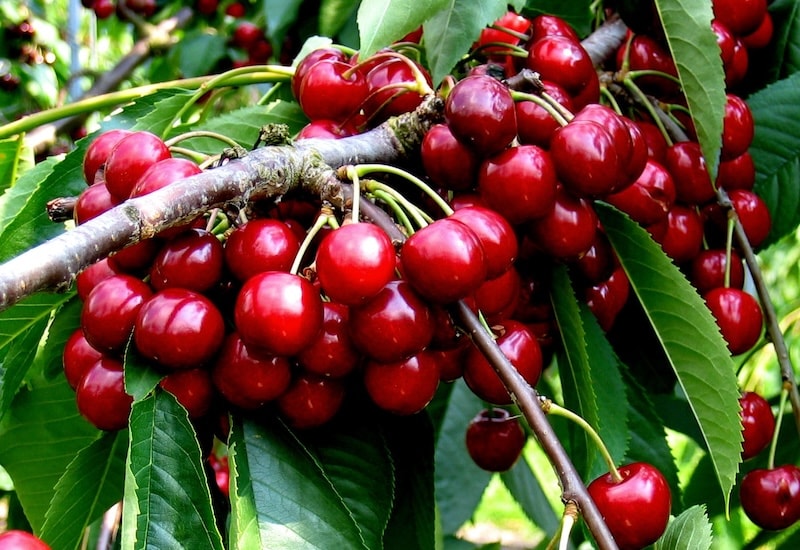
Maximising the yield from your garden, particularly from fruit trees, requires careful planning and practical techniques. For British gardeners, where weather can be unpredictable and space often limited, extending the harvest from apple trees, plums, pears, or other fruit varieties is both rewarding and economical. This article outlines ten effective strategies to ensure your fruit trees produce more for longer, drawing on established horticultural practices suited to the UK climate. A specialist from ChrisBowers, a trusted nursery with over 30 years of experience, offers insight: “Selecting the right varieties and rootstocks is key to extending your harvest. Choosing fruit trees for sale suited to your garden’s conditions ensures consistent yields and reduces maintenance.” This advice underscores the importance of starting with quality stock, a theme that resonates throughout the following methods.
Choose a Range of Varieties for Successive Ripening
One of the most effective ways to extend your harvest is to plant fruit trees with staggered ripening times. Apple trees, for instance, offer early, mid, and late-season varieties. Early apples like Redsleeves ripen in late July, providing crisp fruits for summer eating. Mid-season varieties, such as James Grieve, are ready by September and suit both eating and cooking. Late-season apples like Winter Gem can be harvested in October and stored into spring. By planting a mix of these, you ensure a continuous supply of fresh fruit from summer to early spring. Pears, plums, and cherries also have varieties with different ripening periods. For example, the Opal plum ripens in late July, while Marjorie’s Seedling extends the season into late September. This approach requires planning when selecting fruit trees for sale, as nurseries often provide detailed ripening schedules to guide your choices.
Optimise Pollination for Better Yields
Pollination is critical for fruit production, and many fruit trees are not self-fertile, meaning they need a compatible partner to set fruit. Apple trees like Lord Lambourne require a pollinator from the same flowering group, such as Egremont Russet, to ensure a good crop. Understanding pollination groups, which are based on flowering times, helps you pair trees effectively. Self-fertile varieties like Red Falstaff or Concorde pear simplify this process, making them ideal for smaller gardens where space limits you to one or two trees. Planting pollinator-friendly flowers nearby, such as lavender or borage, attracts bees and enhances pollination. This strategy not only boosts the quantity of fruit but also extends the productive period by ensuring consistent fruit set each year.
Use Dwarf and Miniature Rootstocks for Space Efficiency
Dwarf and miniature rootstocks, such as M27 for apples or Pixy for plums, are ideal for small UK gardens. These trees are easier to manage, quicker to fruit, and produce full-sized fruits despite their compact size. For example, a dwarf apple tree on M27 rootstock reaches about 160-180cm in height, yielding up to 20 pounds of fruit within a couple of years. They are also well-suited for container growing, allowing you to move trees to sunnier spots or protect them from late frosts. By incorporating dwarf fruit trees for sale into your garden, you can plant more varieties in limited space, increasing the diversity and duration of your harvest. Regular feeding with a balanced fertiliser and loam-based compost like John Innes No. 2 supports their productivity.
Prune Strategically to Boost Fruit Production
Pruning is essential for maintaining healthy trees and encouraging fruiting. Summer pruning, done in July or August, promotes fruit bud formation rather than excessive vegetative growth. For trained forms like cordons or dwarf pyramids, shorten new side shoots to 3-4 leaves to focus the tree’s energy on fruit production. Winter pruning, between November and February, shapes the tree and removes dead or overcrowded branches, ensuring light and air reach the fruiting zones. For apples and pears, maintain an open structure to prevent disease and improve fruit quality. Plums and cherries require lighter pruning to avoid stress, typically shortening side branches to 8 inches in late summer. Proper pruning extends the productive life of your trees, ensuring harvests for 10-15 years or more.
Protect Your Crop from Pests and Diseases
Pests and diseases can significantly reduce your harvest if not managed. Common issues include apple scab, codling moth, and peach leaf curl. For peaches and nectarines, covering trees with a sheet in early spring prevents leaf curl by keeping emerging leaves dry. Netting protects cherries and plums from birds, which is easier with dwarf or columnar trees due to their manageable size. Regular inspection and removal of affected leaves or fruit help control diseases like scab. Organic methods, such as encouraging natural predators like ladybirds for aphids, reduce pest pressure without chemicals. By safeguarding your trees, you ensure more fruit survives to harvest, stretching your yield across the season.
Extend the Season with Proper Storage
Storing fruit correctly can extend your harvest well beyond the picking season. Late-season apples like Winston or Tydeman’s Late Orange store well in cool, dark conditions, such as a garage or shed, lasting until March. Wrap individual apples in newspaper to prevent rot and check regularly for spoilage. Pears like Doyenne du Comice ripen best off the tree, stored at room temperature after initial chilling. Plums and cherries are less suited to long storage but can be frozen or preserved as jams to enjoy year-round. By combining early, mid, and late-season varieties with proper storage, you can enjoy fresh or preserved fruit from your garden for months.
Incorporate Trained Forms for Intensive Growing
Trained forms like cordons, espaliers, and stepovers allow you to grow more fruit in limited space, ideal for small British gardens. Cordon apples, planted 2.5-3 feet apart, produce heavy crops within four years and are easy to prune. Stepovers, grown on M27 rootstocks, are low-growing and perfect for edging paths, yielding large, well-flavoured fruits despite their size. Espaliers create attractive, flat structures against walls, maximising sunlight exposure. These forms not only increase the number of trees you can plant but also make harvesting easier, as fruits are within reach. Choosing fruit trees for sale in these trained forms from specialist nurseries ensures you start with healthy, well-shaped stock.
Mulch and Feed for Consistent Growth
Healthy trees produce more fruit, and mulching and feeding are key to their vitality. Apply a layer of organic mulch, such as bark or compost, around the base of your trees to retain moisture and suppress weeds. This is particularly important in the UK’s variable climate, where dry springs can stress young trees. A top dressing of potash in late winter encourages flower and fruit formation. For container-grown trees, use a slow-release fertiliser like Osmocote or liquid seaweed extract every fortnight during the growing season. Consistent care ensures your trees remain productive, extending the harvest by supporting robust fruit development each year.
Experiment with Container Growing
Container growing offers flexibility for gardeners with limited space or poor soil. Dwarf fruit trees, such as those on M27 or Quince C rootstocks, thrive in pots of at least 24 inches in diameter. Varieties like Garden Lady peach or Nectarella nectarine are naturally compact, requiring no pruning and producing full-sized fruits. Containers allow you to move trees to optimise sunlight or protect them from frost, ensuring better fruit set. Use loam-based compost and water regularly, as potted trees dry out faster than those in the ground. This method lets you grow a wider range of fruit trees for sale, extending your harvest by accommodating more varieties in a small area.
Plan for Climate and Site Conditions
The UK’s climate, with its wet springs and cool summers, demands careful site selection. Fruit trees need a sheltered, sunny spot to thrive, as shade or wind exposure reduces yields. Morello cherries and cooking apples tolerate partial shade, but most varieties, including peaches and plums, require full sun. Avoid planting in frost pockets, as late frosts can damage blossoms and reduce fruit set. If space is tight, consider supercolumn trees, which grow to 7-8 feet but only 18 inches wide, ideal for creating fruitful hedges or lining paths. By matching trees to your site’s conditions, you maximise their productivity, ensuring a longer and more abundant harvest.
In implementing these strategies, the focus remains on practical steps that suit the British gardener’s needs. Selecting a mix of early, mid, and late-season varieties ensures fruit from summer to spring, while optimising pollination and using dwarf rootstocks maximises space and yield. Strategic pruning, pest protection, and proper storage extend the productive period, and trained forms like cordons or stepovers make efficient use of small gardens. Mulching, feeding, and container growing support healthy trees, while careful site selection mitigates the challenges of the UK climate. Together, these methods create a robust system for stretching your harvest.
For those looking to start or expand their orchard, sourcing quality stock is essential. Specialist nurseries offer a wide range of fruit trees for sale, with detailed guidance on varieties, rootstocks, and pollination needs. This ensures you begin with trees suited to your garden’s conditions, setting the stage for a prolonged and bountiful harvest. By applying these ten strategies, you can enjoy the fruits of your labour for months, transforming your garden into a productive and rewarding space.