
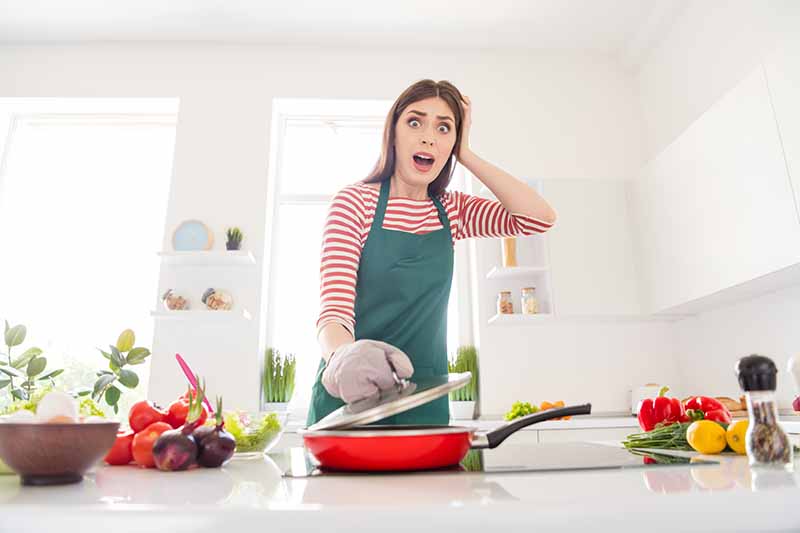
Cooking is often described as a mix of science, art, and intuition. For home cooks, however, it can sometimes feel like a stressful juggling act. A single moment of distraction or a slight miscalculation can result in scorched sauces, rubbery proteins, or a dish so oversalts that it becomes completely unpalatable.
Fortunately, the vast majority of common kitchen mishaps do not stem from a lack of innate culinary talent. Instead, they happen because of minor skipped steps, improper setups, or a misunderstanding of how heat and ingredients interact. By building foundational habits and understanding a few core culinary principles, you can drastically reduce cooking errors, save money on wasted groceries, and transform your kitchen into a place of confidence and creativity.
The Power of Preparation: Pre-Cooking Rituals
Many of the most catastrophic kitchen errors happen before the stove is even turned on. The frantic scramble to chop an onion while garlic is already burning in hot oil is a scenario familiar to many home cooks. Eliminating this chaos requires adopting a fundamental professional kitchen practice.
Embrace the Concept of Mise en Place
Mise en place is a French culinary term that translates to putting in place. In practice, it means gathering, washing, cutting, and measuring every single ingredient required for a recipe before you begin the actual cooking process.
-
Chop all vegetables and place them in small bowls or organized piles on your cutting board.
-
Measure out liquids, sauces, and dry spices ahead of time.
-
Ensure all necessary tools, such as tongs, whisks, and tasting spoons, are within arm’s reach.
When your ingredients are organized, you can focus entirely on managing the heat and timing of your dish. This eliminates the panic that leads to overcooked food and forgotten ingredients.
Read the Entire Recipe Twice
It is incredibly common to start cooking a dish only to realize halfway through that an ingredient needs to marinate for four hours, or that a component needs to be at room temperature. Before pulling a single item from the refrigerator, read the recipe from start to finish. Pay close attention to the order of operations, equipment requirements, and specific preparation cues. Understanding the destination makes the journey significantly smoother.
Knife Skills and Board Safety
A sharp knife is a cook’s most important asset, yet it is also the source of frequent anxiety. Proper handling not only prevents injury but also directly impacts the quality of your food.
Maintain a Sharp Edge
It sounds counterintuitive, but a dull knife is far more dangerous than a sharp one. A dull blade requires excessive force to push through food, increasing the likelihood that it will slip off a smooth onion skin or a round tomato and cut your fingers. A sharp knife glides cleanly through ingredients, offering superior control and precision.
Ensure Uniform Cutting Sizes
When a recipe calls for diced potatoes or chopped carrots, the goal is not just visual appeal. Ingredients that are cut into wildly different sizes will cook at different rates. Small pieces will turn to mush while large pieces remain raw and crunchy in the center. Strive for uniformity so that every bite reaches the perfect texture at the exact same moment.
Stabilize Your Work Surface
A cutting board that slides across the counter while you are using a sharp knife is a major safety hazard. To fix this instantly, dampen a paper towel or a thin kitchen cloth and place it flat on the counter directly underneath your cutting board. This creates a non-slip grip that keeps the board firmly in place.
Heat Management and Cookware Dynamics
Managing heat is arguably the most challenging aspect of learning how to cook. Many home cooks default to using high heat because they want their food to cook faster, but this is a direct path to a burnt exterior and a raw interior.
Give Your Pans Time to Preheat
Placing food into a cold pan is a recipe for soggy, sticky, and poorly seared meals. When proteins like chicken or steak hit a cold pan with oil, they absorb the oil rather than searing in it. Give your skillet a few minutes to heat up over medium or low heat before adding your fat and your ingredients. You should hear a distinct, gentle sizzle the moment your food touches the pan.
Avoid Overcrowding the Pan
When too many ingredients are packed into a single skillet, moisture is trapped beneath the food. Instead of searing and browning, the ingredients end up steaming in their own juices. This results in gray, rubbery meat and soggy vegetables. If necessary, cook your food in batches to allow plenty of space for steam to escape, which ensures a beautifully browned crust.
Understand the Nuances of Different Materials
Different metals conduct heat in entirely different ways.
-
Stainless steel heats quickly but can scorch easily if the flame is too high.
-
Cast iron retains heat exceptionally well and is perfect for searing, but it takes longer to heat up uniformly.
-
Non-stick pans are excellent for delicate items like eggs and fish, but they should never be used over high heat, as extreme temperatures can damage the coating.
Matching your cooking technique to the correct type of pan prevents both damaged cookware and ruined meals.
Mastering Seasoning and Flavor Correction
Salty, bland, or sour food can turn a well-prepared meal into a disappointment. Learning how to control and adjust flavors throughout the cooking process is the hallmark of a skilled cook.
Season and Taste at Every Stage
One of the biggest mistakes a home cook can make is adding salt only at the very end of the recipe. Salt needs time to penetrate ingredients, drawing out moisture and enhancing their natural flavors from within. Add a small pinch of salt when sauteing your base vegetables, another pinch when adding proteins, and adjust again at the end. Always taste your food before serving to ensure the flavors are balanced.
Know How to Fix an Oversalted Dish
If your hand slipped and you added too much salt, do not panic. Depending on the type of dish, you can often balance the excess sodium.
-
For soups and sauces, dilute the mixture by adding a splash of water, unsalted broth, or heavy cream.
-
Introduce an acid, such as lemon juice or vinegar, or a touch of sweetness like honey or sugar, to distract the palate and soften the perception of saltiness.
-
Increase the volume of the dish by adding more unsalted bulk ingredients, like extra vegetables, beans, or grains.
Do Not Underestimate the Power of Acid
When a dish tastes flat or like it is missing something, the default reaction is often to add more salt. However, the true culprit is frequently a lack of acidity. A squeeze of fresh lime juice, a dash of red wine vinegar, or a splash of dry white wine can instantly brighten a heavy, dull soup or stew, making the flavors pop without adding extra sodium.
Frequently Asked Questions
Why does garlic burn so easily when I saute it with onions?
Garlic contains high amounts of natural sugars and very little moisture, meaning it burns much faster than onions. To prevent bitter, burnt garlic, always add it to the pan during the final sixty to ninety seconds of sauteing your onions or other vegetables, rather than adding them at the same time.
How do I stop my chicken breasts from turning out dry and rubbery?
Chicken breasts are very lean and dry out quickly when overcooked. The most effective way to prevent this is to use a digital meat thermometer. Remove the chicken from the heat source when it reaches an internal temperature of one hundred sixty degrees Fahrenheit. Let it rest for five to ten minutes, during which carryover cooking will safely bring it to the recommended one hundred sixty-five degrees while locking in the juices.
Why do my roasted vegetables turn out soggy instead of crispy?
Soggy roasted vegetables are usually caused by three factors: overcrowding the baking sheet, using too much oil, or roasting at too low of a temperature. To get a crisp texture, spread the vegetables out so they do not touch, use just enough oil to lightly coat them, and roast them in a hot oven set to at least four hundred degrees Fahrenheit.
What causes meat to stick to a stainless steel pan, and how do I prevent it?
Meat sticks to stainless steel when the pan or the oil is not hot enough, or when you try to flip the meat too early. When a protein is properly seared, it will naturally release from the surface of the pan on its own. If you try to flip a piece of meat and it resists, leave it alone for another minute until the crust forms and releases naturally.
Can I rescue a cream sauce that has separated or broken?
Yes, a broken cream or cheese sauce can often be saved. Remove the pan from the direct heat immediately. If the sauce is dairy-based, vigorously whisk in a tablespoon of warm water or a splash of fresh cream to help re-emulsify the fats. For cheese sauces, a tiny splash of lemon juice or a pinch of cornstarch slurry can help bind the components back together.
Why should I let meat rest after cooking it?
When meat cooks, the muscle fibers contract and push the internal juices toward the center of the cut. If you slice into a steak or a roast immediately after taking it off the grill or stove, those juices will spill out onto the cutting board, leaving the meat dry. Allowing the meat to rest gives the muscle fibers time to relax, re-distributing the moisture evenly throughout the cut.