

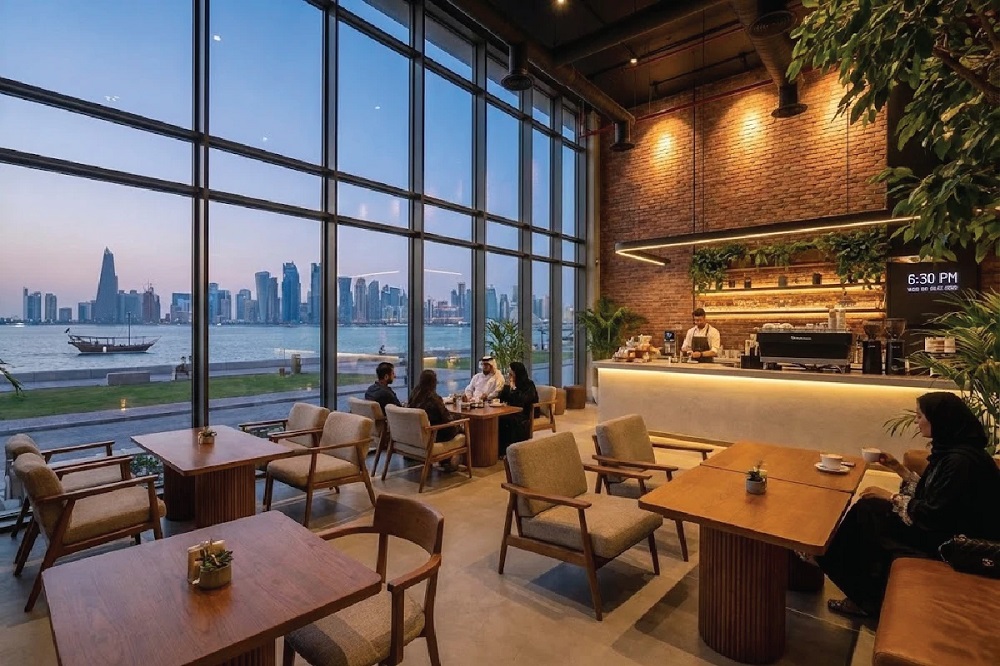
The global dining landscape is intensely competitive. While exceptional food and flawless service remain the bedrock of a successful restaurant, they are no longer the only factors that dictate long-term profitability. Before a guest ever tastes a dish or interacts with a server, they evaluate the physical environment. The interior design of a restaurant acts as a silent ambassador for the brand, shaping consumer expectations, driving foot traffic, and directly influencing how much time and money customers spend inside the establishment.
In an era driven by visual media and experiential dining, an effective interior layout can turn a casual passerby into a loyal advocate within seconds. Crafting a space that attracts patrons quickly requires a strategic blend of environmental psychology, operational efficiency, and cohesive branding. By focusing on critical design pillars, restaurant owners can build high-impact spaces that stimulate the senses and encourage immediate patronage.
The Curb Appeal Strategy: Maximizing First Impressions
The journey of attracting a customer begins long before they walk through the front door. The exterior facade and entry threshold serve as the primary visual cues that tell potential diners what to expect regarding food quality, price point, and overall atmosphere.
Curating a Compelling Window Display
Windows are a restaurant’s most valuable marketing asset. Instead of obscuring the view with heavy curtains or frosted glass, modern designs favor expansive, transparent windows that offer a clear look inside. Passersby are naturally drawn to places that appear lively and successful. Seeing engaged diners, beautifully styled lighting, and a vibrant dining room creates a psychological phenomenon known as social proof, making outsiders want to join the experience.
Designing a Welcoming Threshold
The entryway should act as a smooth transition zone that eases guests out of the busy street and into the brand’s unique narrative.
-
Implement distinct, high-quality architectural door handles that feel heavy and premium to the touch.
-
Use localized statement flooring right at the entrance, such as mosaic tiling or custom woodwork, to define the arrival space.
-
Keep the host station visible but far enough inside to prevent physical bottlenecks during peak dining hours.
Lighting Architecture as an Emotional Catalyst
Lighting is arguably the single most important element of indoor restaurant design. It controls the mood, dictates how appetizing the food looks, and impacts the physical comfort of the guests. If the lighting is incorrect, even the most expensive furniture and decor will fail to impress.
Layering the Illumination
A successful lighting layout avoids a single uniform light source. Instead, it relies on three distinct layers:
-
Ambient Lighting: This provides the baseline visibility of the space. It should be soft, diffused, and carefully calibrated to the time of day. High-end dinner spots favor low-level ambient lighting to create a sense of intimacy and luxury.
-
Task Lighting: This targets specific functional areas. For diners, this means a focused beam over the center of the table so they can read menus and clearly view their food without being blinded. For staff, it illuminates workstations and paths of travel.
-
Accent Lighting: This is used to draw attention to unique design elements, such as historical brickwork, artwork, backbars, or indoor greenery, creating a sense of visual depth throughout the room.
Mastering Color Temperature
The color profile of the light bulbs used can alter the entire dining experience. Cool, blue-toned light feels institutional and clinical, which suppresses appetite and encourages guests to leave quickly. For casual and fine dining concepts, stick to warm-white or amber tones, which naturally mimic candle flame or sunset. This warmth enhances the rich reds and yellows of food, makes human skin tones look healthy, and triggers feelings of safety and relaxation.
Strategic Spatial Layout and the Psychology of Seating
A common mistake in restaurant design is prioritizing maximum seating capacity over guest comfort. Packing tables too tightly together creates a loud, frantic environment that compromises privacy and degrades the perception of premium service.
The Anchor and Perimeter Effect
Environmental psychology shows that humans feel vulnerable when their backs are exposed to open spaces or busy pathways. Dinners instinctively seek out anchor seats, which are tables that offer a physical barrier behind them.
-
Prioritize the installation of plush, continuous wall banquettes and deep booths, which are consistently requested before standalone tables.
-
Use structural pillars, decorative partition panels, or planter boxes to break up vast central floors into smaller, protective dining sections.
-
Ensure a minimum of three feet of clearance between moving chairs to allow servers and guests to navigate the space without bumping into tables.
Crafting High-Impact Focal Points
Every dining room needs a central visual anchor that commands attention the moment a guest steps inside. This could be an open-concept kitchen where diners can watch chefs cook over an open flame, an over-sized custom art mural that reflects local history, or an architectural bar featuring backlit shelving and premium bottle displays. This focal point gives the space an identity and provides a memorable detail that stays with the customer long after they leave.
Materials, Acoustic Management, and Sensory Comfort
The tactile and acoustic properties of a restaurant heavily dictate how long guests stay and whether they will return. A beautiful space that is deafeningly loud or physically uncomfortable will ultimately drive customers away.
Balancing Material Textures
The choice of materials should complement the culinary concept. Industrial designs utilize concrete, exposed steel, and reclaimed wood to convey a raw, modern energy. Fine dining leans on soft velvet upholstery, polished marble countertops, and brushed brass fixtures to signal exclusivity. Incorporating natural elements, such as living plant walls or warm wood grains, introduces biophilic design properties that reduce heart rates and enhance internal comfort.
Engineering the Acoustic Environment
With the rise of hard, minimalist design surfaces like polished concrete floors and bare brick walls, many modern restaurants suffer from extreme noise amplification. When a space is too loud, guests are forced to shout, leading to rapid vocal fatigue and elevated stress.
-
Incorporate hidden acoustic absorbing panels on the undersides of tables or chairs.
-
Use soft drapery, fabric wall coverings, and upholstered seating to catch sound waves.
-
Ensure the background music playlist is broadcast through a multi-speaker system at a low volume, which distributes sound evenly without requiring high decibel levels in any single zone.
Frequently Asked Questions
How does the layout of a restaurant affect table turnover rates?
The spatial layout directly influences how long guests choose to stay. Casual restaurants looking for high turnover often use brighter lighting, upbeat music, and straight-backed wooden chairs, which keep guests alert and moving. Fine dining establishments utilize deep booths, dimmable ambient lights, and carpeted floors to absorb sound, encouraging diners to linger over multi-course meals and expensive beverage pairings.
What is the ideal ratio between dining space and kitchen space in a restaurant?
The industry standard for restaurant spatial allocation generally follows a sixty-forty rule. Approximately sixty percent of the total square footage should be dedicated to the front-of-house operations, including the dining room, bar, entrance, and restrooms. The remaining forty percent is reserved for the back-of-house, encompassing the commercial kitchen, dishwashing stations, dry storage, and walk-in coolers.
How can a restaurant integrate branding into interior design without using corporate logos?
Literal logo placement throughout a dining room can feel cheap and commercial. Instead, integrate branding through subtle, cohesive design cues. This includes choosing a signature color palette that mirrors the brand identity, selecting tableware and custom staff uniforms that match the historic era of the food concept, or curating artwork that tells the story of the ingredients used.
What are the most common mistakes made in restaurant restroom design?
Restrooms are a critical extension of the dining room, yet they are often overlooked. Common mistakes include poor ventilation, inadequate lighting, lack of purse hooks or shelves near the sinks, and using industrial, hard-to-clean materials that feel cold. A well-designed restroom should feature the same premium lighting, scent branding, and high-quality finishes found in the main dining area to maintain a unified impression.
How can color psychology be used to influence consumer dining behavior?
Colors trigger distinct neurological responses. Warm tones like terracotta, gold, burgundy, and deep orange stimulate appetite and evoke feelings of comfort and socialization, making them highly effective for traditional eateries. Earthy greens and muted wood tones communicate freshness, health, and sustainability, which is ideal for farm-to-table concepts. Vibrant neon shades can create excitement but can become fatiguing if guests stay too long.
What design strategies can maximize the profitability of a bar area?
To optimize bar revenue, ensure the backbar is meticulously styled and brightly illuminated, acting as a retail display for premium spirits. Bar stools should be highly ergonomic with comfortable footrests to encourage extended stays. Additionally, provide built-in hooks underneath the bar counter for bags and jackets, and ensure power outlets or USB ports are accessible for solo business travelers looking to dine at the counter.